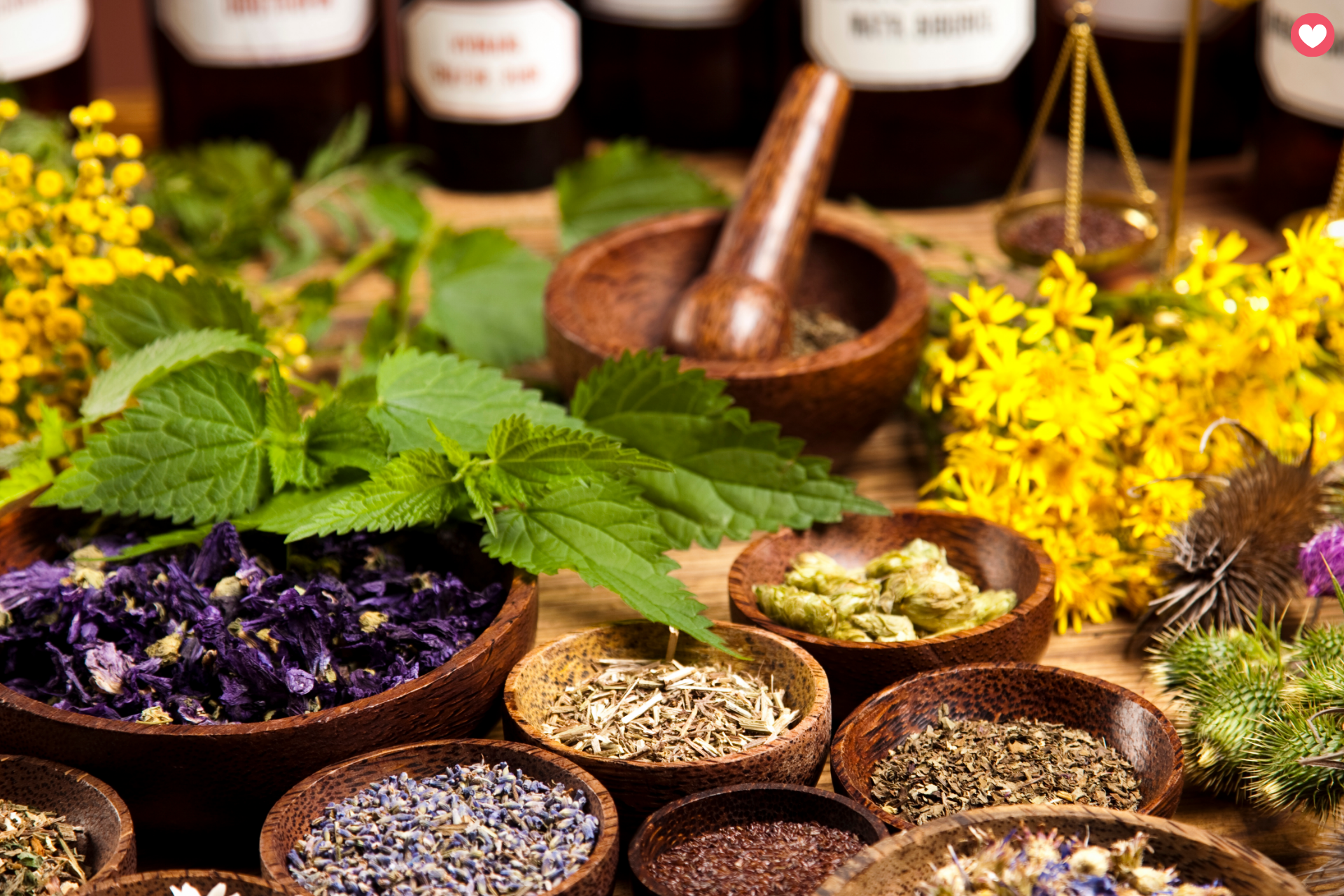
Herbs for Every Home Garden: Thriving in North Carolina's Climate
Herbs for Every Home Garden: Thriving in North Carolina's Climate
North Carolina's diverse climate, from coastal warmth to mountainous coolness, provides an ideal environment for cultivating a variety of herbs. Whether you're an experienced gardener or just starting out, herbs are a versatile and rewarding addition to any garden. Here's a guide to the herbs that thrive in North Carolina and tips to help you grow them successfully.
Basil: The Summer Staple
Basil thrives in North Carolina’s warm summers, making it a favorite for gardeners across the state.
Planting and Growing Tips:
- When to Plant: Start in early spring after the last frost, or indoors 6–8 weeks before the frost date.
- Sunlight: Requires full sun, about 6–8 hours daily.
- Soil: Prefers well-drained, moderately rich soil with a pH of 6.0–7.5.
- Watering: Keep soil consistently moist but avoid overwatering.
Care and Harvesting:
- Regularly pinch off top leaves to encourage bushy growth and prevent flowering.
- Harvest from the top and avoid removing more than one-third of the plant at a time.
Rosemary: The Perennial Powerhouse
This hardy perennial is well-suited to North Carolina’s coastal and Piedmont regions.
Planting and Growing Tips:
- When to Plant: Best planted in spring or fall, using cuttings or transplants.
- Sunlight: Requires full sun.
- Soil: Prefers sandy, well-drained soil with a pH of 6.0–7.0.
- Watering: Once established, rosemary is drought-tolerant and needs infrequent, deep watering.
Care and Maintenance:
- Prune in spring to encourage growth and maintain its shape.
- Mulch to conserve moisture and reduce weed competition.
- Provide frost protection in colder regions, or grow in pots to bring indoors during winter.
Mint: The Refreshing Runner
Mint is a vigorous grower that flourishes in North Carolina but requires management to keep it from spreading uncontrollably.
Planting and Growing Tips: